
Guide to my first marine aquarium - Part two
The cube has matured: who goes in first, which corals to choose and how many fish fit
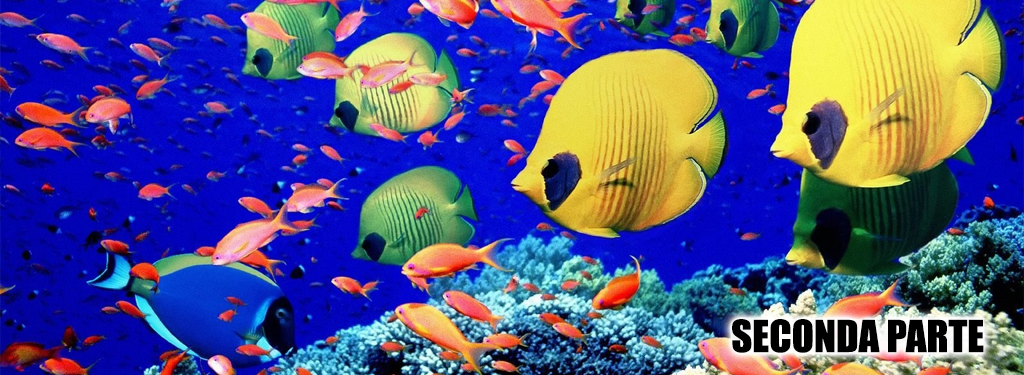
Our little aquarium has now been running for more than a month, the maturation algae have more or less disappeared, the values are decent: it is time to choose the first inhabitants!
Let's say straight away that at this stage it is best to resist temptation: a beginner cannot put just anything in the tank, picking at random the corals and fish they like best. You need to go carefully and choose the hardiest animals at first, partly to find out whether the tank is in good shape or not.
Who goes into the tank, and when
- 1Detritivores, algae eaters snails, hermit crabs, shrimps, urchins: the first guests
- 2Corals the main inhabitants: the hardiest at first
- 3Fish last, once the invertebrates are doing well
Start with the hardiest animals, partly to find out whether the tank is in good shape.
Detritivores and algae eaters: snails, shrimps and company.
Even before thinking about corals, the first guests you can add to the tank are the so-called detritivores and algae eaters, that is, animals that are also useful for keeping excess algae in check and cleaning detritus out of the aquarium. Here are a few.
Snails.
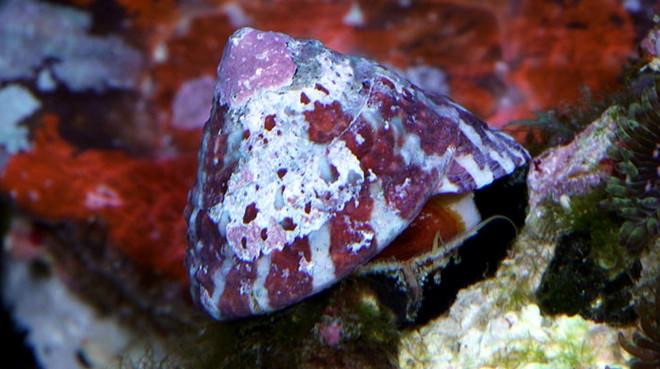
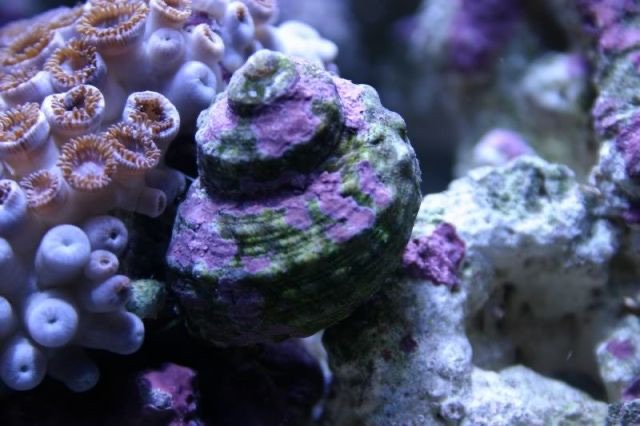
Trochus and Turbo snails. These are tropical gastropods, that is "snails", easy to find in shops and online. They measure 2-3 centimetres and are very active in the tank, especially at night with the lights off, when they constantly graze the algal film that forms on rocks and glass with their radula, a sort of rough tongue. Be careful not to buy too many, two or three will be enough, because otherwise they risk finding too little food and wasting away. They are fairly hardy, but watch out if you have the auto top-off float in the tank, at the water surface: if they stick to it you risk flooding the house (it happened to me), so make sure you protect it!
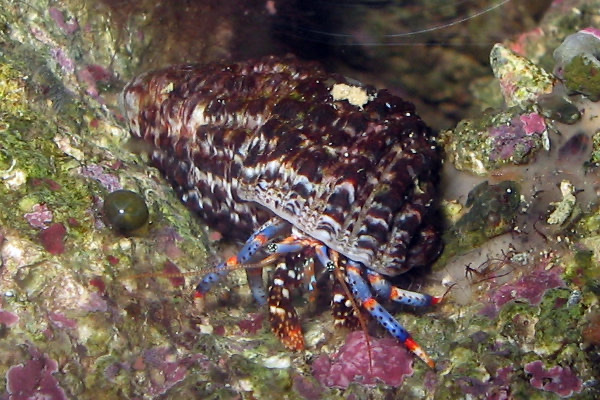
Hermit crabs.
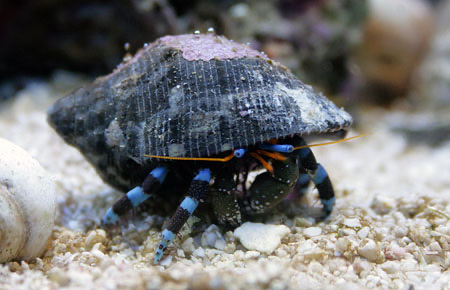
Very cute, colourful crustaceans, each carrying its own shell, which they change as they grow: so they need empty shells, which you will have to provide, and watching a hermit crab "move house" is great fun. They are fairly long-lived but have a couple of flaws. The first is that they sometimes prey on the snails mentioned above, to steal their shell. The second is that they are real bulldozers: when they move among the rocks they can knock over corals that are not glued down.
Shrimps.
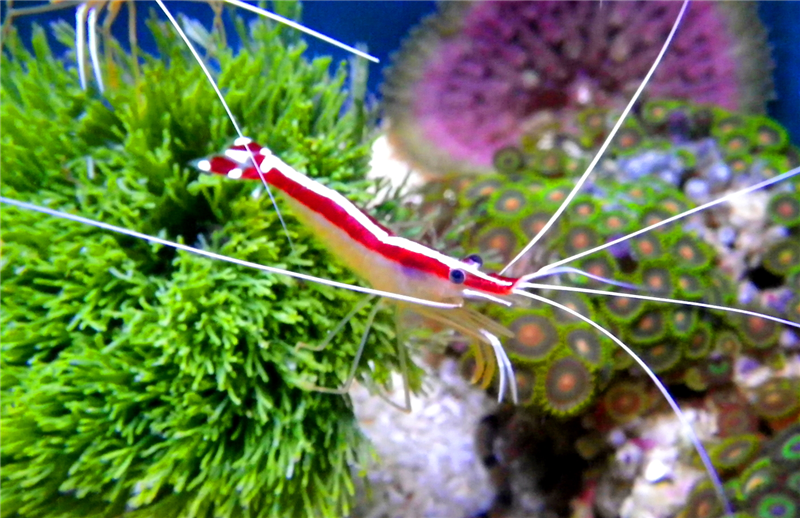
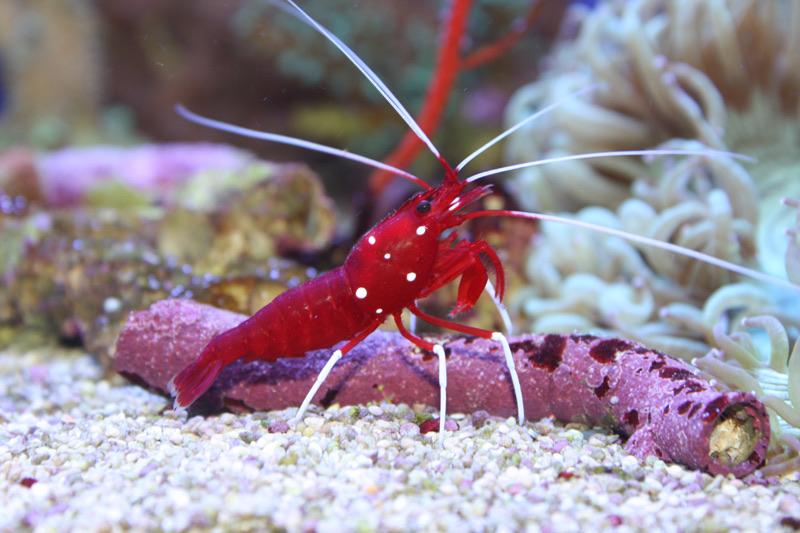
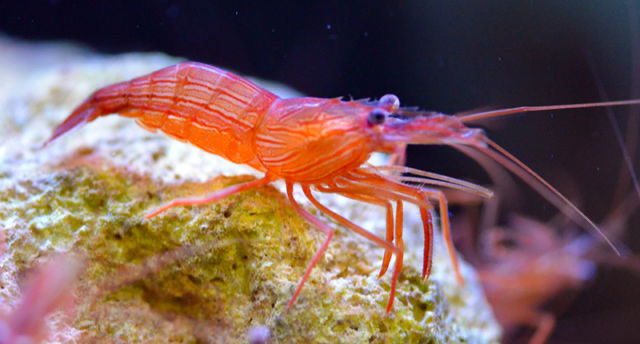
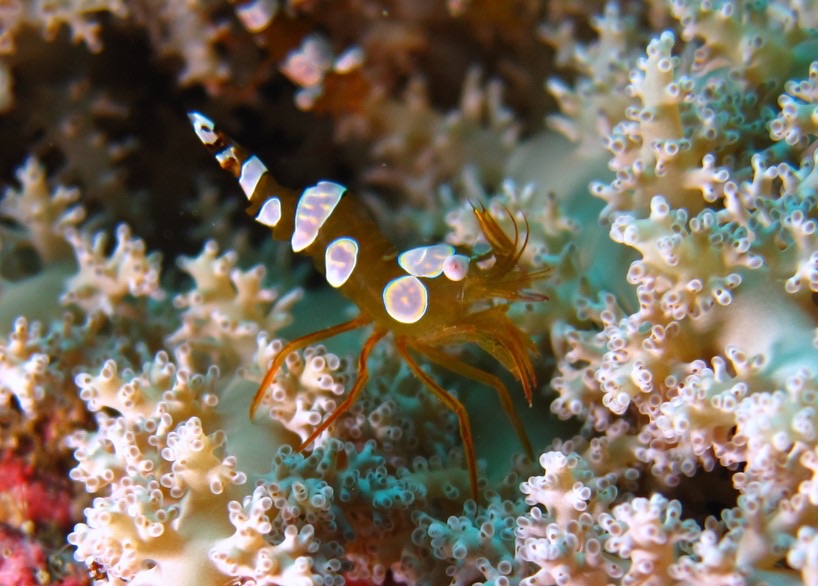
Shrimps of the genus Lysmata are very popular with marine fishkeepers: there is hardly a tank without them, and they are suitable for beginners. The most "famous" is Lysmata amboinensis, red with a white stripe: it is very hardy and very lively, can be kept alone or in pairs, sometimes steals food from the corals but is nonetheless an excellent inhabitant. Lysmata wurdemanni, on the other hand, is far less showy, a dull pink, but it has one huge quality: it eats Aiptasia, small pest anemones, so I always recommend keeping a couple. Finally there is the "king" of beauty, Lysmata debelius, scarlet red with white "decorations". Its flaw is that it is very shy and has to be kept in pairs, otherwise it is always hiding.
Sea urchins.
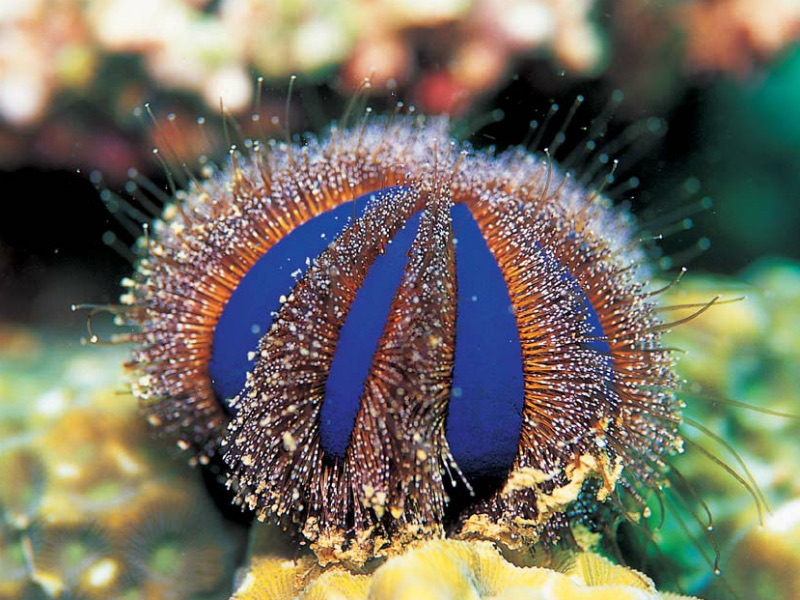
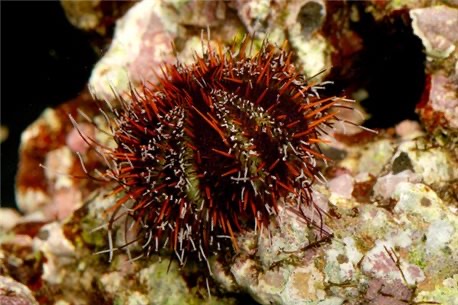
These echinoderms, unlike their relatives the starfish, which in my opinion should not be kept in the aquarium, are very hardy and appreciated for their tireless algae eating. For a small aquarium I definitely recommend Mespilia globulus, a lovely blue, which is relatively small and does not cause much upheaval as it crawls clumsily among the rocks (see hermit crabs).
The clean-up crew
- 1Trochus and Turbo snails 2-3 cm: at night they graze rocks and glass; two or three are enough
- 2Float protect it: if snails stick to it you risk flooding the house
- 3Hermit crab may prey on snails and knock over unglued corals
- 4Lysmata wurdemanni eats Aiptasia: the author recommends keeping a couple
- 5Aiptasia small pest anemones
- 6Mespilia globulus small blue urchin: eats algae and causes no upheaval
Each has its job, but each also has its flaw: better to know before buying.
Sources: [2]
The best corals to start with.
Now we come to what will be the main inhabitants of our aquarium: the corals. Without going into classification and scientific discussions here, which you may be able and want to explore elsewhere, let's just say that the corals for our aquarium are of four types: the so-called soft corals, that is without a limestone skeleton, and stony corals, that is with a limestone skeleton; the latter, depending on the size of their polyps, are divided into LPS, Large Polyp Stony corals, and SPS, Small Polyp Stony corals.
With or without a skeleton, large or small polyp
- 1Soft corals no limestone skeleton
- 2LPS Large Polyp Stony corals: large polyp
- 3Limestone skeleton present in LPS and SPS
- 4SPS Small Polyp Stony corals: small polyp
For a first aquarium: soft corals and LPS before SPS.
Sources: [1]
Soft corals.
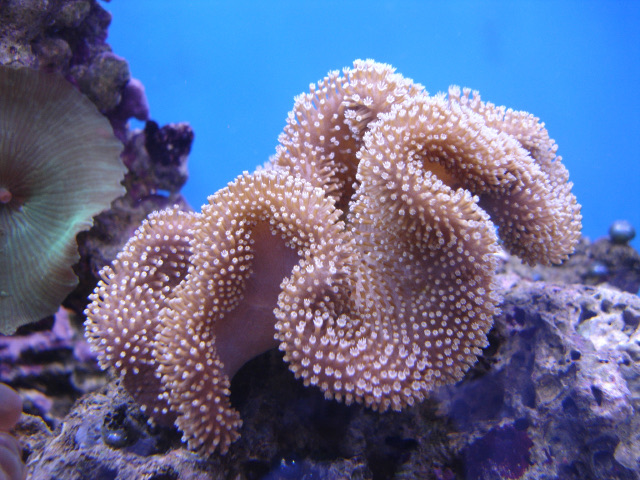
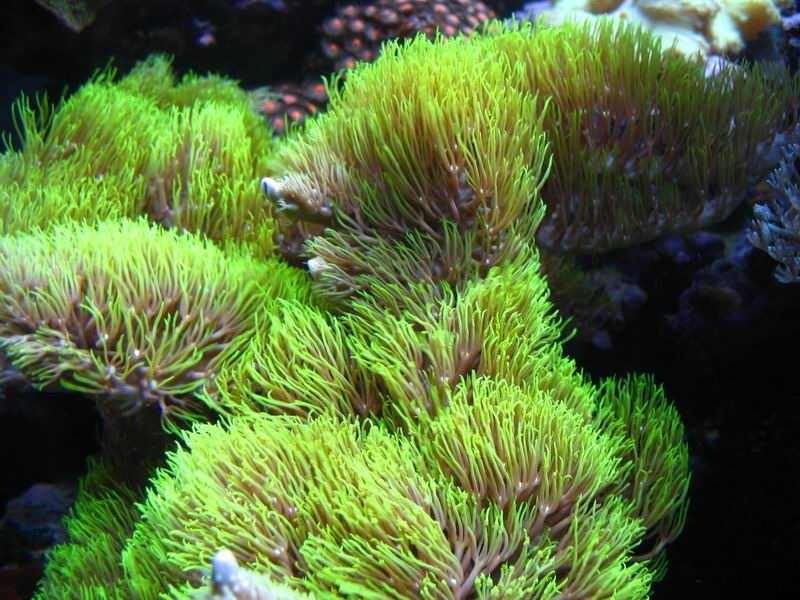
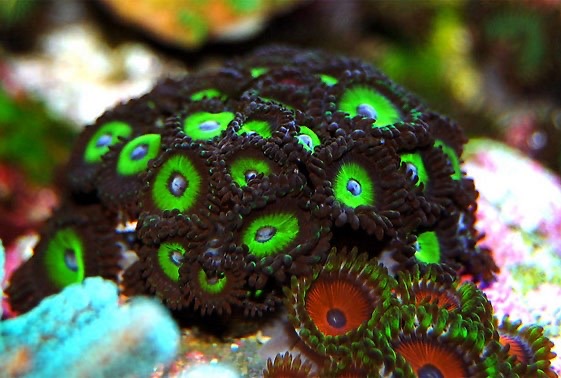
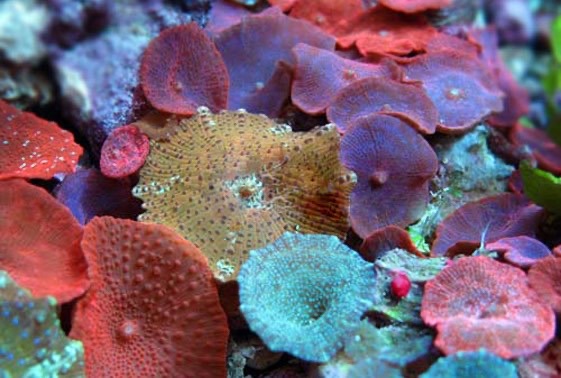
A general term for alcyonaceans or octocorals (because their polyps have eight tentacles), as well as the hexacorals (polyps with tentacles in multiples of six) zoanthids and corallimorphs, that is the easiest corals of all to keep. There are many types and shapes: Sarcophyton, mushroom-shaped and often with long polyps that look like flowers, Sinularia and Litophyton, tree-like, Xenia and Anthelia, like magnificent flowers, Briareum and Pachyclavularia, which form a fluorescent green carpet, and so on and so forth. Among the zoanthids there are the beautiful Zoanthus and Palythoa, while among corallimorphs we have Discosoma and Ricordea, which form multicoloured colonies on the rocks.
Stony corals.
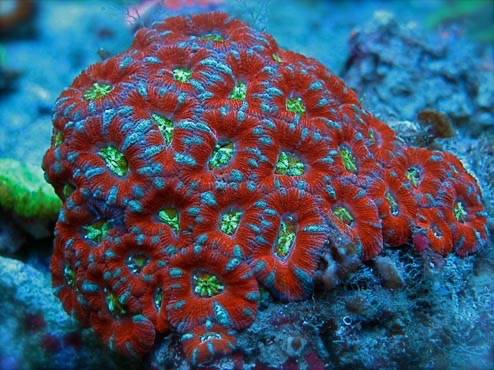
For a first aquarium LPS, that is large-polyp corals, are definitely more suitable, because they tolerate less than perfect water better than SPS. Here too you can choose, for example, among the varieties of Acanthastrea, Caulastraea or Trachyphyllia or Lobophyllia, which are fairly hardy. A little more delicate are the hugely popular Euphyllia, with their beautiful flowing tentacles, Catalaphyllia and Duncanopsammia. These are all animals that generally go in the lower part of the tank and do not tolerate a current that is too strong.
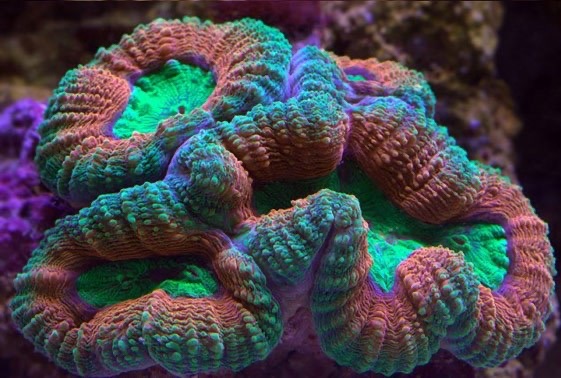
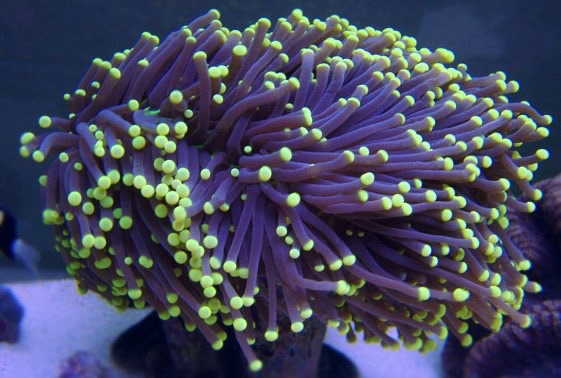
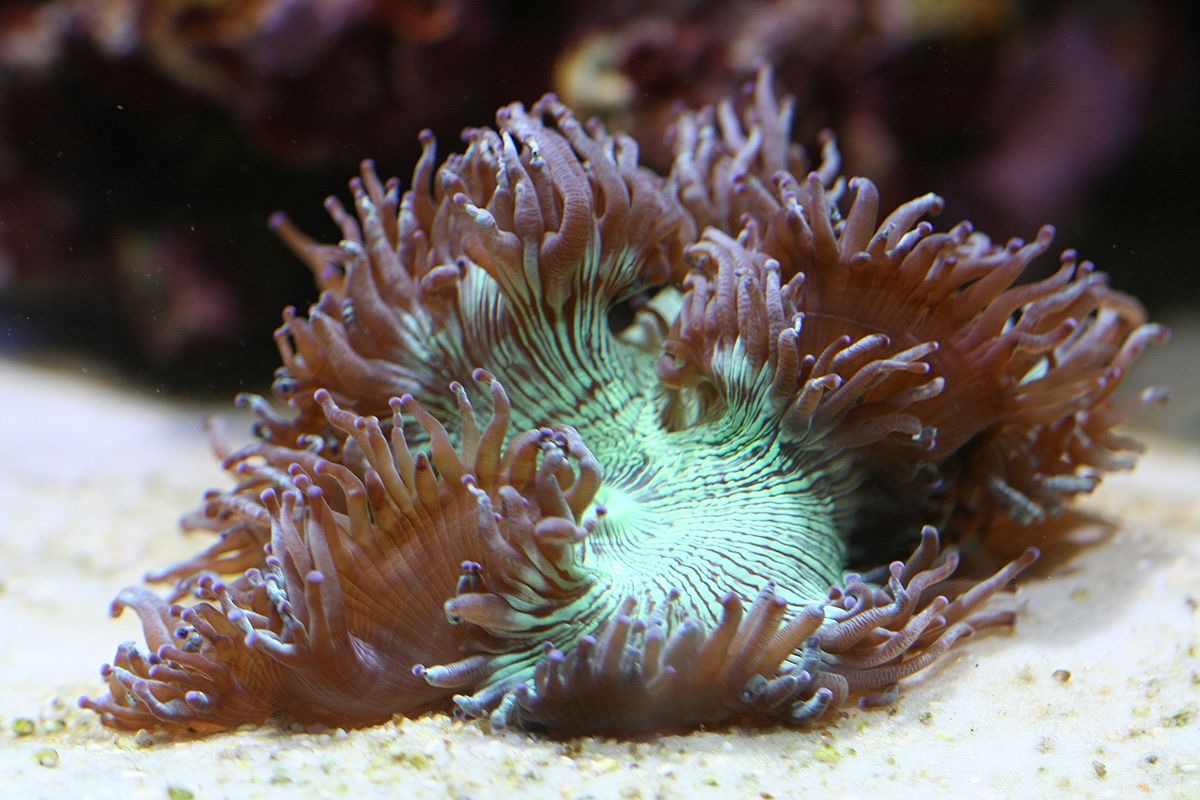
Moving on to the more delicate SPS, I advise beginners against the "queens" of the reef aquarium, the Acropora, except for a few hardier species, for example the beautiful fluorescent green Acropora nobilis (I mention it because, although I was a beginner, a few years ago it grew enormously for me). Better, though, to go for one of the beautiful Montipora, which can be plating or branching and come in many colours, or Stylophora "milka", an intense purple, or Seriatopora hystrix and caliendrum, pink and pale green respectively, and finally Pocillopora.
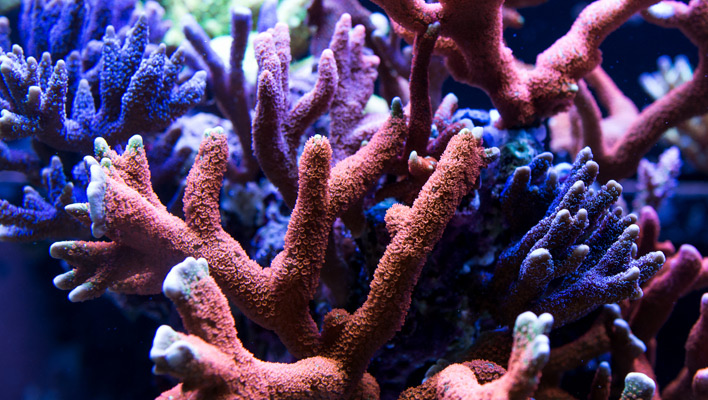
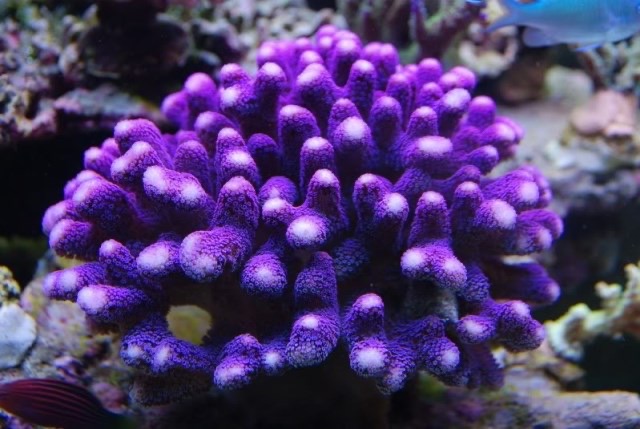
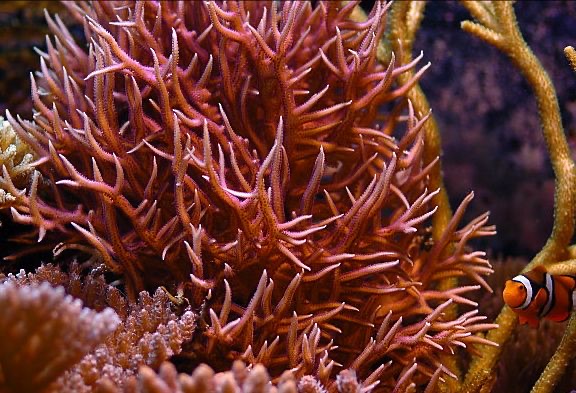
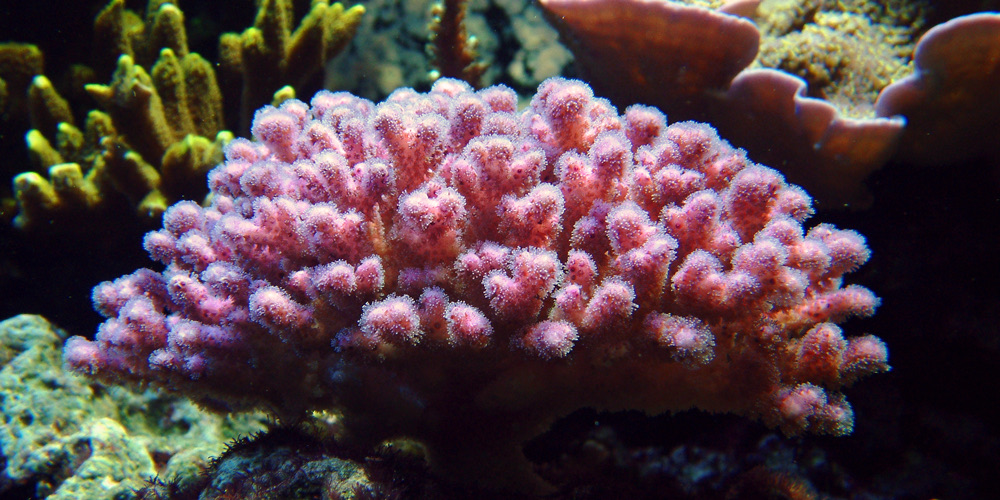
Which corals to start with
Soft
- Sarcophyton
- Sinularia, Litophyton
- Xenia, Anthelia
- Briareum, Pachyclavularia
- Zoanthus, Palythoa
- Discosoma, Ricordea
Fairly hardy LPS
- Acanthastrea
- Caulastraea
- Trachyphyllia
- Lobophyllia
Slightly more delicate LPS
- Euphyllia
- Catalaphyllia
- Duncanopsammia
SPS for beginners
- Montipora
- Stylophora "milka"
- Seriatopora hystrix and caliendrum
- Pocillopora
- Acropora nobilis, one of the few Acropora
The other Acropora, the "queens" of the reef aquarium, are not recommended by the author for beginners.
Fish.
In the smallest reef aquariums some people do not keep any fish at all, and they are right: below 30 litres even tiny fish are cramped and pollute. In an aquarium of about 90 litres at most four small fish can live well. Which fish to choose? First of all, those that are compatible with corals, that is, that neither eat them nor nip at them: these include the damselfish (Pomacentridae, among them the clownfish), the black and white Banggai cardinalfish (kauderni), the fuchsia and yellow Pseudochromis and many others.
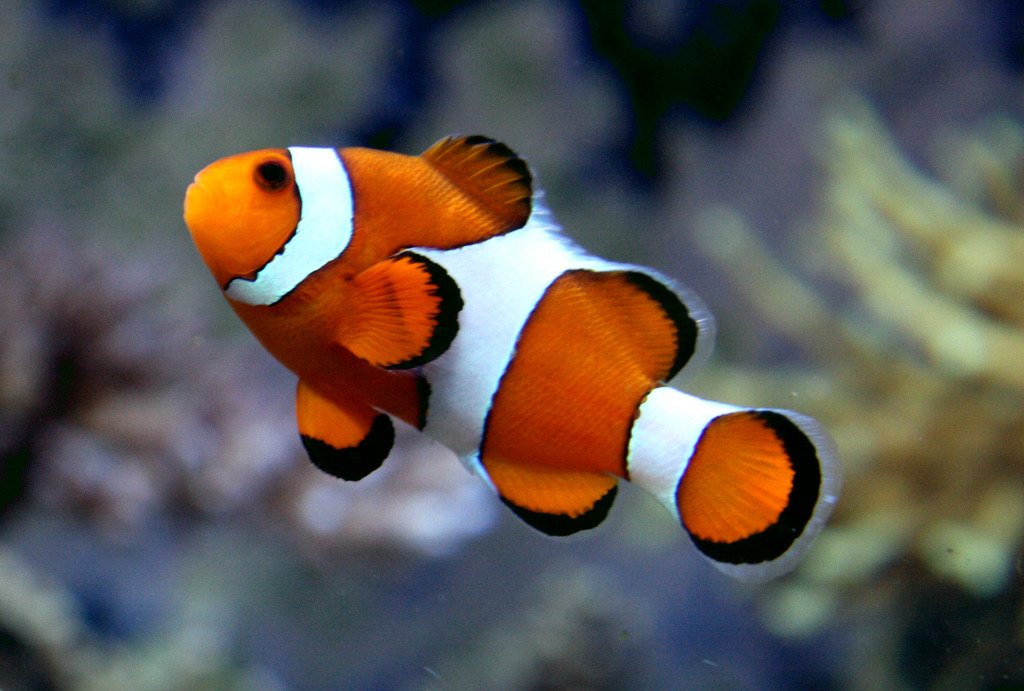
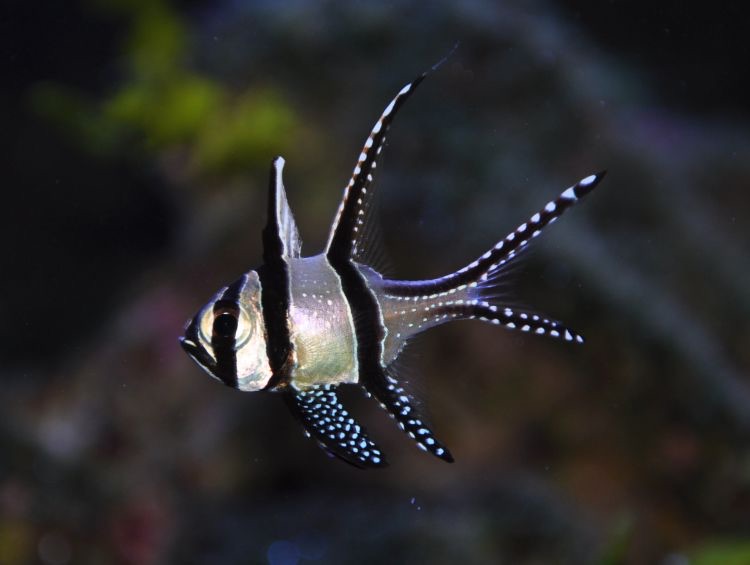
Recommendations for fish.
The first is that fish should be added last, after the invertebrates have shown they are doing well and the aquarium is in good shape. The second recommendation is never to overcrowd the tank: one small fish every 30-40 litres is the right proportion for a first aquarium. The third recommendation is not to buy fish before knowing their habits and, above all, whether they are compatible with corals. So, if you are in an aquarium shop and would like to buy a fish you like, do this: take a photo of it, post it on the BallingMania Facebook group (the group is in Italian) and ask us whether it is suitable or not, of course telling us first what tank and what animals you have. Over and out!
Never overcrowd the tank
- 1Below 30 litres even tiny fish are cramped and pollute
- 2The 90-litre cube the one in this guide
- 3One fish per 30-40 litres the right proportion for a first aquarium
- 4Four at most the limit given for about 90 litres, if small
Small, coral-compatible fish: few residents, but well chosen.
author: Metello Venè
Sources
- NOAA National Ocean Service (2026). Corals Tutorial: What are corals?. National Oceanic and Atmospheric Administration.
- Rhyne A., Rotjan R., Bruckner A., Tlusty M. (2009). Crawling to collapse: ecologically unsound ornamental invertebrate fisheries. PLoS ONE 4: e8413.
- WoRMS Editorial Board (2026). Pachyclavularia violacea. World Register of Marine Species.
- WoRMS Editorial Board (2026). Acropora nobilis. World Register of Marine Species.
- NOAA Fisheries (2026). Banggai Cardinalfish. National Oceanic and Atmospheric Administration.
On the same topic
My first marine aquarium guide - Part three
Which animals to avoid when starting out and how to recognise, group by group, a healthy coral or invertebrate before…
Guide to my first marine aquarium - Part one
No filter, no sand and home-made water: what you need for a 45 cm marine cube, how to start it step by step and how…
Chemistry and biomineralisation
KH, calcium and magnesium are not just numbers to keep stable: they are the bricks, the cement and the additive on…
Comments (3, in Italian)
Lettura piacevole ed utilissima per un neofita come me. Mi sto avvicinando al marino ed ora so di aver commesso alcuni errori ai quali potrò porre rimedio aiutato dalla lettura.
Interessante, buona guida per evitare gli errori iniziali e valido supporto per confermare le indicazioni che si danno ai conoscenti diffidenti!!!
Good day very cool blog!! Man .. Beautiful .. Wonderful .. I'll bookmark your blog and take the feeds also?KI'm satisfied to find numerous helpful information right here within the submit, we need develop more strategies on this regard, thank you for sharing. . . . . .