
Euphyllia: parasites, treatment, husbandry
From parameters to buying, from flatworms to Brown Jelly: how to recognise distress and what to do
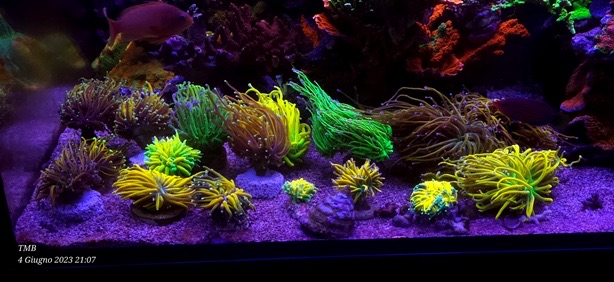
How many of us have dreamed, at least once, of having a thriving, healthy garden of Euphyllia in our tanks?
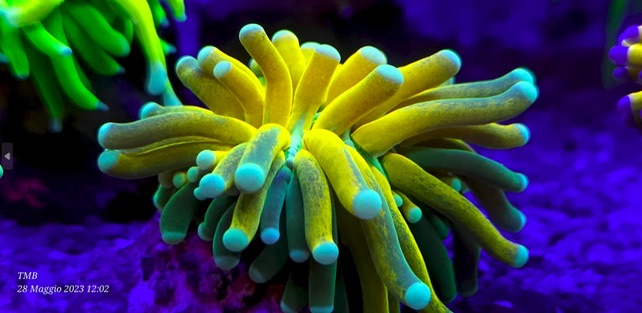
Parameters
In fact, most of the time this coral is very rewarding; however, it gives its best with the following chemical parameters.
- KH 7-10
- Ca 420-440
- Mg 1250-1400
- pH 8-8.4
- PO4 0.02 – 0.05
- NO3 3 – 10
The parameters in which Euphyllia do best
Beyond the values, stability matters: fluctuating parameters lower their defences.
Although these parameters are ideal for most of the corals in our tanks, a Euphyllia in particular can benefit from the stability of these values. Fluctuating parameters could lower the immune defences of our favourites and set off a series of problems that can even lead to the death of our animal.
Swings in phosphate and KH, for example, could trigger a rapid recession of the tissue that covers the coral's skeleton.
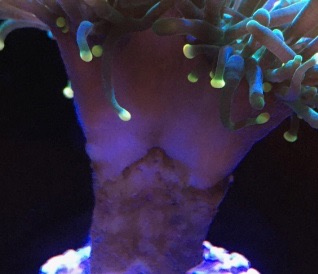
An animal with only a few cm of tissue, sometimes just millimetres, is an animal under stress and very much at risk.
The closer the tissue gets to the tip of our Euphyllia, the more likely infections become: so all it takes is a swing in parameters, some excess food that could rot right between tissue and skeleton, or contact with other sick animals, to start real epidemics and even lose whole colonies.
When the tissue recedes towards the tip
- 1Tissue extended covers the calice's skeleton
- 2Tissue receded a few cm or mm: animal at risk
- 3Bare skeleton the part with no tissue left
- 4Excess food can rot between tissue and skeleton
The closer the tissue is to the tip, the more likely infections become.
Buying
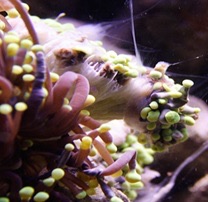
More and more often, because of the huge interest in these animals, you see specimens at death's door, imported and cut in a hurry. Changing hands many times leaves these animals with only a few millimetres of tissue, because of the severe stress they have been through, putting their survival at risk. It is certainly up to us to check the condition of the animal we want to buy, so let's avoid specimens that look stressed, that do not extend their polyps, that do not have enough tissue, that have pale colours, that have been fragged recently or that have wounds not yet healed.
But what should we do if our Euphyllia are showing one or more signs of distress?
1. Check the water parameters
Run the usual tests and, if needed, an ICP. If the parameters have not swung and are in range, go on to point two.
2. Look for parasites
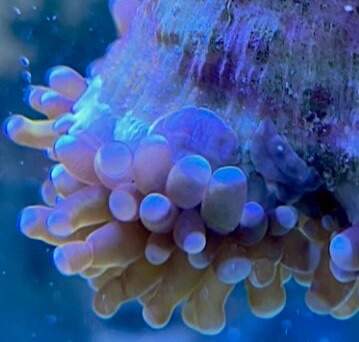
Euphyllia flatworms are worms similar to the Acropora flatworms, but they feed on the tissue around Euphyllia calices; an animal affected by these parasites will show a steady decline in health, weakening it so much that it dies. These worms are often present in animals farmed in the sea. Animals that are not given prophylactic treatment before being sold can therefore bring these lovely gifts into our tanks! The flatworm first feeds on the tissue, then lays dozens of eggs near the flesh, which once hatched move on to other calices, starting further breeding cycles.
How flatworms move from one calice to another
- 1Flatworm feeds on tissue around the calice
- 2Eggs dozens, near the flesh
- 3Hatching the new worms leave the calice
- 4Other calices here the cycle starts again
The dip knocks the worms off, but the eggs remain: that is why they are removed by hand and the treatment is repeated.
What to do
Dip the Euphyllia in a solution such as Revive or Deep. The flatworm will soon drop off; but let's use a pipette to blow water between our animal's torches, where the parasites very often take shelter. This should be repeated once every 10 days for at least 1 month, plus a one-off check the following month.
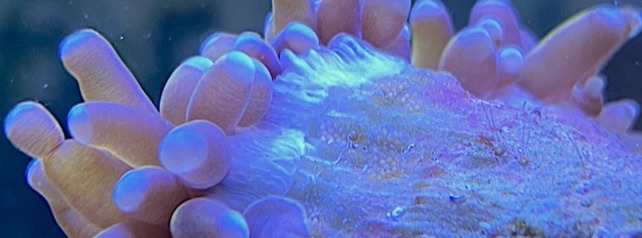
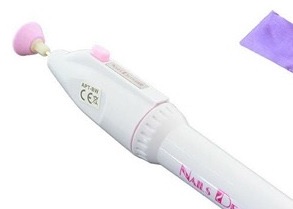
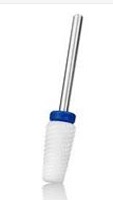
The eggs, on the other hand, must be removed mechanically: a nail drill has proved very useful (the kind women use to file their nails). A ceramic or nylon bit is ideal for cleaning the whole calice of impurities such as algae, parasite eggs and unwanted animals. So we can very gently drill over the whole bony calice, removing the eggs; be careful with the bit: it must be well disinfected, for example in an iodine or peroxide solution; we will drill the whole calice without ever touching the Euphyllia's tissue, which must not be harmed in any way.
The drilling should be light, without making grooves or holes in the skeleton. If the skeleton is somehow damaged during the work, we can repair it with cyanoacrylate glue, which is also very handy for sealing cuts from fragging, instantly healing the coral's bony part.
3. Diseases
What should we do if our Euphyllia is clearly passing away?
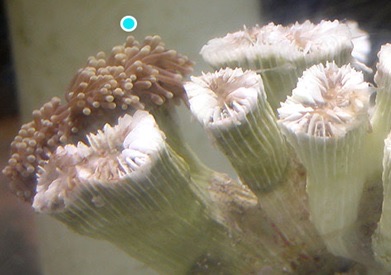
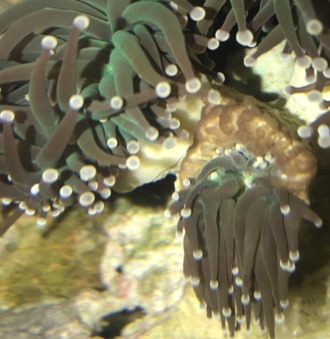
Our success will depend on how consistent and prompt we are in acting!
First of all, iodine levels must be in line with the reference values: 0.055 – 0.08 mg/l (ideal range). Much lower values make corals more vulnerable to parasites in general.
Shock therapy
If we have acted promptly and spotted a calice in distress, with small spots of mucus or dark patches as in the photos above, we must act immediately. Calices that are badly damaged may not recover, but if we have been quick to treat the colony we have an excellent chance of success. So: let's gently remove our animal and prepare two containers that can hold it comfortably.
In the first container pour 1 litre of water from our tank, adding:
- 10 ml of Revive or Bea Deep
- 3 ml of hydrogen peroxide H2O2
- 200 mg of amoxicillin (about 1/4 of a tablet)
WARNING: THIS DIP MUST BE DONE OUTSIDE THE TANK
In the second container, just 1 litre of water, again from our tank.
We use amoxicillin because it is very well tolerated, and a slightly higher dose does not cause any particular problems.
So let's grind the amoxicillin into a fine powder and mix it all with the H2O2 and Revive or Bea Deep in the container of water. Then dip our Euphyllia and use a pipette to blow the mix onto the areas where Brown Jelly is already present; 5 to 10 minutes of treatment will be enough to stop the disease (calices with mouths already exposed and damaged do not have much chance of survival).
Then take the animal out of the first container. With the clean water from the second, rinse off any residue of antibiotic powder, drawing it up with a pipette and blowing it over the tissue, repeating as needed, then immerse the animal completely in the second container; this way the last traces of medicine are also removed. Repeat the procedure every 24 hours, at least 3 times.
Two containers and a pipette
- 1Removal gently take the animal out
- 2First container 5 to 10 minutes' dip
- 3Pipette blow onto the Brown Jelly
- 4Second container rinses off medicine residue
- 5Activated carbon used water must not go down the drain
- 6Repeat every 24 hours, at least 3 times
The dip is always done outside the tank. The doses are in the text: read the warning box first.
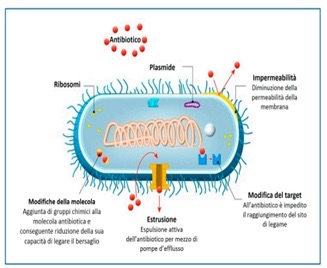
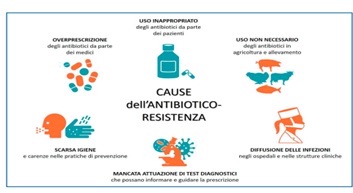
The treatment involves antibiotics, and as such these molecules must be handled with extreme caution and only if we really have no choice. Once the treatment is done, let's not pour the water straight down the drain but treat it with activated carbon to remove the molecule, or treat the water at high temperatures to destroy it. Drug resistance is increasingly worrying: when doses of antibiotics are released into drains, we can give rise to mutations that help new bacterial strains find ways to stop the antibiotic molecule hitting its target, creating real superbugs.
Maintenance therapy
In densely stocked tanks it is certainly a good idea to add fish that prey on flatworms, for example:
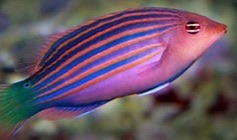
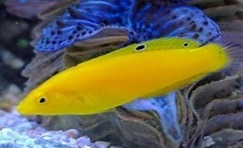
On the other hand I advise against using shrimps such as:
Rhynchocinetes uritai
These animals can certainly help us against flatworms, but afterwards they themselves could bother the Euphyllia, looking for food right in their mouths and damaging them.
We can, however, say a word about a lanthanum chloride-based product made by Tropic Marin: Elimi-Phos Rapid; although this product is designed to remove phosphate, in the leaflet we read:

Many accounts from the reefkeeping community have shown that this product has solved infestations of planarians, Acropora flatworms (AEFW and NAEFW) and Euphyllia flatworms; by reading the instructions carefully we can also make use of this extra weapon.
Feeding and flow
I put this part of the article at the end because it can help or worsen the health of Euphyllia. An animal already worn down by the problems described above will need gentle but substantial flow, ideally wave-like, that lets the tissue regenerate and stops larger pieces of food from sitting on the parts of the calice no longer covered by tissue; food that gets under the flesh or between the calice's plates would start a bacterial infection because of the decomposing organic matter, much as happens to our teeth with tooth decay. So granular foods, or foods of a certain size, are not recommended; in my experience it was precisely these foods that sometimes triggered episodes of Brown Jelly or general distress. Liquid foods designed specifically for these animals, on the other hand, are very welcome, such as KZ LPS Amino Acids or other forms of amino acids; these compounds will help the tissue regenerate. In normal conditions we can provide general feeding with fine particles such as Coral Love KZ, Fauna Marin Min's, Bea Expanse, PolypLab Booster or others.
Hoping these articles can save a few animals, I wish you happy reefing.
Tiozzo Matteo Brasiola
Sources
- World Health Organization (2026). Antimicrobial resistance (fact sheet). WHO.
- NIOSH (2019). Pocket Guide to Chemical Hazards: Hydrogen peroxide. Centers for Disease Control and Prevention.
- Aeby G.S., Ushijima B., Campbell J.E. et al. (2019). Pathogenesis of a Tissue Loss Disease Affecting Multiple Species of Corals Along the Florida Reef Tract. Frontiers in Marine Science 6: 678.
- Rawlinson K.A., Stella J.S. (2012). Discovery of the Corallivorous Polyclad Flatworm, Amakusaplana acroporae, on the Great Barrier Reef, Australia – the First Report from the Wild. PLoS ONE 7(8): e42240.
- Chance R., Tinel L., Sarkar A. et al. (2020). Surface Inorganic Iodine Speciation in the Indian and Southern Oceans From 12°N to 70°S. Frontiers in Marine Science 7: 621.
On the same topic
Fluconazole and Oodiniasis
English version of the article Fluconazolo e Oodiniasi: the reports of three reefkeepers, the ergosterol hypothesis…
Oodiniasis, or Marine Velvet Disease
What velvet is, where it attacks the fish, how to recognise it and which remedies have been used, with notes on…
Fluconazole and marine velvet (Amyloodinium)
Some second-hand experiences suggest that fluconazole may fight marine velvet. The parasite, the ergosterol…