
Fluconazole against algae
A chance observation, a protocol reported by reefkeepers and many cautions
Using fluconazole against the algae Bryopsis and Derbesia
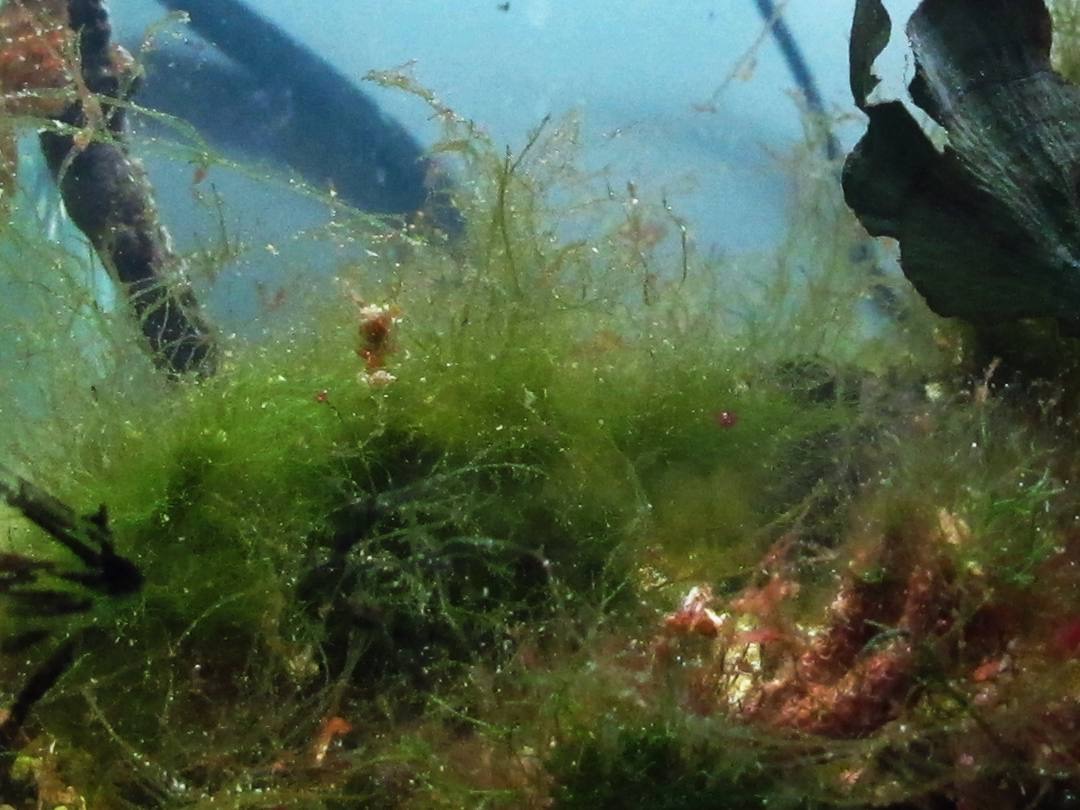
It all started not long ago with the experience of a reefkeeper who was using this medicine to treat a fungal infection that had struck a fish in his tank (fluconazole is an antifungal drug). He noticed that a clump of Bryopsis he had had in the tank for some time first turned white and then vanished. Since then many trials have been made with different types of algae, with fair success: the drug works very well against Bryopsis but would also seem to work against Derbesia.
First it turned white, then it vanished
- 1Fish with fungal infection the reason for the treatment
- 2Fluconazole an antifungal drug
- 3Clump of Bryopsis in the tank for some time
- 4Turned white the first change noticed
- 5Vanished only the rock remains
It all started from a single observation in a tank, while a fish was being treated.
The protocol
The protocol involves using the drug at a dose of 5 mg/litre.
- E.g. for 50 litres dose 250 mg of drug;
- for 100 litres dose 500 mg;
- for 200 litres dose 1 gram;
- for 500 litres 2.5 grams; and so on.
If you cannot weigh it precisely… better a few mg more (the drug is very well tolerated by the other inhabitants of the aquarium… corals, fish, bacteria and benthic fauna).
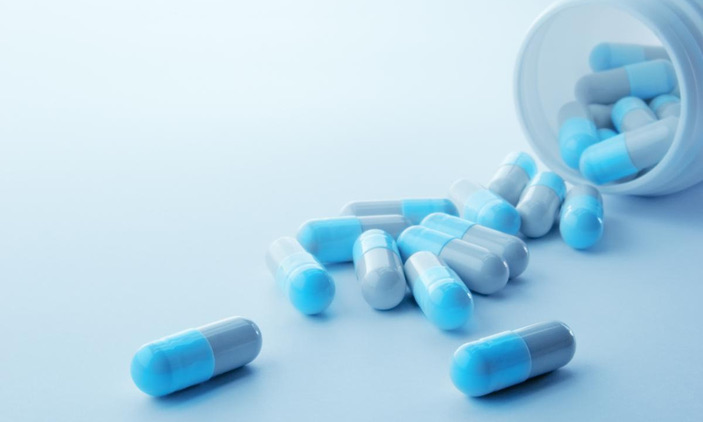
Capsules of 50 mg, 100 mg and 200 mg are on the market. The capsules must be opened and the powder inside dissolved in a little water and poured into the tank in a single dose; the drug is added only once: on the first day only. There is no need to switch off the skimmer, no water changes should be done for at least 15 days and carbon must be removed, if present. It is also strongly recommended to add phosphate-removing resins, since the algae will release plenty of phosphate as they die.
What is done during the treatment
- 1Capsule opened, dissolved poured in only once, on the first day
- 2Skimmer no need to switch it off
- 3Carbon remove it, if present
- 4Water changes none, for at least 15 days
- 5Phosphate-removing resins dying algae release phosphates
This is how the author describes the protocol. No doses in the drawing: choosing a medicine is up to the veterinary surgeon.
What to expect
The first results are seen after 2-3 days of treatment (the algae turning white) and within about two weeks the problem should be solved. At the end of the cycle, add carbon to adsorb the dissolved drug.
From the first day to the end of the cycle
- 1First day the drug is added only now
- 2After 2-3 days the algae turn white
- 3About two weeks the problem should be solved
- 4End of the cycle carbon adsorbs the dissolved drug
- 5No water changes for at least 15 days
These are the timings reported by the author: every tank may respond differently.
Obviously I take no responsibility… every tank is a world of its own and may respond differently!
Hoping this may be of help, I take my leave and greet you all.
author: Giuseppe Ossolengo
Sources
- U.S. National Library of Medicine (2018). Fluconazole: MedlinePlus Drug Information. MedlinePlus.
- Pfizer, document filed with the FDA (2011). Diflucan (fluconazole): package insert. U.S. Food and Drug Administration.
- WoRMS Editorial Board (2026). Bryopsis J.V.Lamouroux, 1809. World Register of Marine Species.
- WoRMS Editorial Board (2026). Derbesia Solier, 1846. World Register of Marine Species.
- Hollants J., Decleyre H., Leliaert F., De Clerck O., Willems A. (2011). Life without a cell membrane: Challenging the specificity of bacterial endophytes within Bryopsis (Bryopsidales, Chlorophyta). BMC Microbiology 11: 255.
- Lu Y., Jiang J., Zhao H., Han X., Xiang Y., Zhou W. (2020). Clade-Specific Sterol Metabolites in Dinoflagellate Endosymbionts Are Associated with Coral Bleaching in Response to Environmental Cues. mSystems 5(5): e00765-20.
On the same topic
Treatment against Valonia
A spot method against Valonia and other algal infestations: hydrogen peroxide and Coral Snow applied with a pipette.…
Unwanted pest animals
Aiptasia and majano are small anemones that get into the tank on rocks and frag plugs and multiply fast. How to…
Nuisance algae in the aquarium
What algae are, which animals graze them, why they grow too much in the tank, the role of water changes, salt and…
Comments (10, in Italian)
Ottimi articoli se prima avevo dei timori adesso so dove andare a trovare le risposte alle mie domande grazie di esistere ballingmania
Grazie Michele. Siamo contenti che l'articolo ti sia stato utile.
Dopo molti tentativi (inutili) di risolvere un'infestazione di bryopsis nel mio marino mi accingo ad intervenire con il fluconazolo. Se di interesse posso aggiornarvi sui risultati.
Grazie per la spiegazione della procedura.
Farmaco inserito in vasca da circa 2gg.
Dose intorno ai 4 mg/l (avevo 1 g totale su circa 250 litri). Rimosso carbone e da domani aggingo resine anti fosfati. Pesci e coralli per ora nessun problema.
A livello di alghe vedo qualche miglioramento ma voglio aspettare almeno un paio di gg in più prima di esprimermi (cmq alcuni schiarimenti sembrano esserci).
articolo davvero ben fatto complimenti
Vorrei sapere se questo medicinale funziona anche sulle alghe brune o diatomee. Grazie mille
Hai raggiunto il risultato?
Ha funzionato?
Ciao,
per qualsiasi cosa si consiglia di aprire un post sul gruppo facebook.
Buona Giornata
Grazie Mario!